
Reusable Lint Roller vs Disposable: Which Eco-Friendly Option Actually Works for Pet Hair?
We launched the Chom Chom Roller to solve a problem we lived with ourselves: mountains of sticky-sheet refills piling up in landfills, and lint rollers that couldn’t handle the sheer volume of pet hair our homes produced. A reusable lint roller isn’t just about skipping adhesive sheets—it’s a question of whether the pickup mechanism can match or beat traditional rollers without creating ongoing waste.
The best reusable models use bidirectional fabric drums, electrostatic surfaces, or silicone nap to capture hair and debris, then release it into a chamber you empty and reuse indefinitely. No refills, no sticky residue left on fabric, and—if the design is right—faster coverage on furniture and clothing than peeling and tearing disposable sheets. This guide walks through what separates effective reusable lint rollers from gimmicks that leave half the fur behind.
How Reusable Pickup Mechanisms Compare to Adhesive Sheets
Traditional lint rollers rely on a pressure-sensitive adhesive that traps hair on contact, but each sheet holds only a few passes’ worth of debris before you peel it off and discard it. Reusable designs replace that adhesive layer with a mechanical or electrostatic capture system—fabric nap that hooks loose fibers, silicone ridges that grab and hold, or a charged surface that pulls hair in without stickiness.
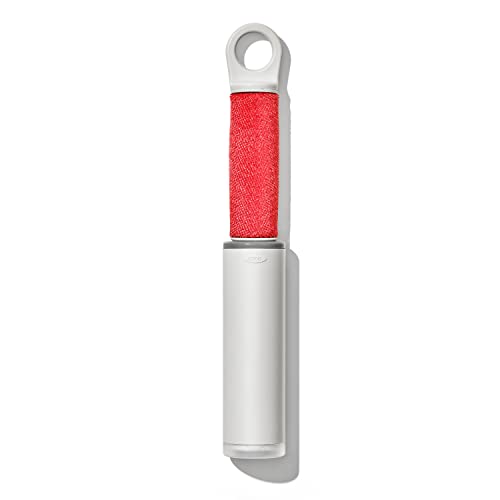
Fabric-drum models like ours use a short-pile microfiber or velour that catches hair in both rolling directions; you push and pull across upholstery, and fur collects inside a removable chamber rather than staying on the roller surface. Silicone-based rollers work similarly but rely on the slight tackiness of medical-grade silicone to lift hair, then you rinse the surface clean. Electrostatic versions generate a static charge as you roll, attracting hair and lint the way a balloon picks up paper scraps.
For dense pet hair—the double-coated shedding that clogs disposable sheets in two swipes—fabric drums and silicone consistently outperform adhesive because they don’t saturate. You simply empty the chamber or rinse the roller and keep going, no mid-clean interruption to hunt for a trash can.
Features That Separate Daily-Use Tools from Drawer Clutter
A reusable lint roller earns its spot in your cleaning routine only if it’s faster and less annoying than the disposable alternative. The handle must be long enough to reach sofa backs and car seats without bending, and the roller width should cover a cushion in three passes instead of ten.
Look for a single-hand release mechanism on the waste chamber—if you need two hands and a flat surface to empty collected hair, you’ll skip using it between guests. The roller surface itself should clean without tools; models that require you to pick debris out of crevices by hand or soak components overnight add friction you don’t have with a peel-and-toss sheet.
Bidirectional pickup is the feature most often missing from budget models: cheap rollers only catch hair when you push forward, forcing you to lift and reset after every stroke. That’s slower than adhesive sheets and defeats the reusability advantage. Our own reusable pet hair remover design captures fur on both the forward and return stroke, cutting cleaning time in half compared to unidirectional tools.
Durability and Replacement Parts
A truly reusable tool should last years, not months. Check whether the roller fabric or silicone surface is replaceable—some brands sell the entire unit as disposable once the nap wears down, which just shifts waste from sheets to plastic housing. Metal or reinforced polymer frames outlast thin snap-together shells that crack when you press hard on pet hair ground into carpet weave.
Material Safety and Fabric Compatibility
Not every reusable lint roller is safe for every fabric. Velour and microfiber drums can snag delicate knits or pull loops in loosely woven upholstery if the nap is too coarse, while overly aggressive silicone ridges may leave shiny tracks on matte fabric finishes.
Test any new roller on an inconspicuous area first—armrest undersides, hidden seat edges—before rolling across visible surfaces. If you’re cleaning wool, cashmere, or vintage fabrics, favor fine-nap or electrostatic models over coarse brushes. The lint and fiber types you’re targeting also matter: short pet undercoat responds to different pickup mechanisms than long guard hairs or human hair, which is why some rollers excel on car interiors but fail on sofas.
For households mixing delicate garments with heavy-duty furniture cleaning, keep a fabric-safe option separate from your high-traction upholstery tool. We designed our roller’s nap tension to handle both, but if you’re comparing models, prioritize the surface you clean most—a tool optimized for knit sweaters won’t have the grip needed for berber carpet embedded with double-coat shedding.
Cost Per Use and When Reusable Actually Saves Money
A mid-range reusable lint roller costs the same as six to eight disposable refill packs, so the break-even point arrives around six months of weekly use for a typical pet household. If you’re currently buying a refill pack every three weeks—common for multi-pet homes or during shedding season—you’ll recover the cost in three months.
The real savings come from not rationing your cleaning. Disposable sheets train you to tolerate some fur between cleanings because each pass costs money and generates waste; reusable models remove that friction, so you clean more often and maintain lower baseline fur levels. That behavioral shift often matters more than the dollar math.
Calculate your current annual spend on refills, then compare it to the upfront cost of a durable reusable option plus any replacement parts over a three-year span. For light use—guest-room furniture, occasional garment touch-ups—a quality disposable roller may still make sense. For daily furniture maintenance and the kind of shedding that fills a vacuum canister weekly, reusable tools pay for themselves quickly and eliminate a recurring purchase you’d otherwise make forever.
Choosing a Reusable Lint Roller That Matches Your Cleaning Reality
The right reusable lint roller depends on what you’re cleaning most—delicate garments need gentler mechanisms than furniture caked with undercoat, and car interiors demand reach and durability. Prioritize bidirectional pickup, tool-free chamber emptying, and a nap or surface texture compatible with your most-cleaned fabrics.
For households where pet hair is a daily reality rather than an occasional nuisance, a well-designed reusable model pays for itself in saved refills and eliminates the waste stream adhesive sheets create. If you’re comparing specific options or want to see how different pet hair remover mechanisms perform side by side, we built our tools to handle the kind of shedding that turns furniture cleaning into a daily routine rather than a weekly chore.
Notes
High-quality fabric-drum and silicone models match or exceed adhesive sheets for pickup on most surfaces, especially for dense pet hair that would clog a disposable sheet in two passes. The key difference is continuous operation—you empty the chamber and keep rolling instead of stopping to peel and discard. Lower-end reusable designs with weak nap or unidirectional mechanisms do underperform compared to sticky sheets.
Most models have a release button or slide that opens a waste chamber where collected hair gathers; you dump it into the trash, then snap the chamber closed. Fabric drums and silicone surfaces can be rinsed under warm water if oils or sticky residue accumulate, then air-dried. Electrostatic rollers typically just need the chamber emptied, since the charged surface doesn’t retain debris. Cleaning takes under a minute with well-designed tools.
Coarse-nap or aggressive silicone rollers can snag loosely woven knits, pull loops in textured upholstery, or leave shiny tracks on matte finishes. Always test on a hidden area first. For delicate fabrics, choose fine-nap or electrostatic models over high-traction designs meant for heavy upholstery. Many households keep two tools—one for garments, one for furniture—to avoid compromise.
A well-built fabric drum or silicone roller should last two to four years with regular use before the pickup surface wears enough to lose effectiveness. Metal or reinforced frames outlast thin plastic housings that crack under pressure. Some brands sell replacement roller cartridges so you keep the handle; others are sealed units you replace entirely. Check whether parts are available before buying.
Yes, if you use them long enough to offset the manufacturing footprint. A reusable roller eliminates hundreds of adhesive sheets and their plastic cores from landfills over its lifespan, and most models use recyclable materials. The environmental win grows with frequency of use—daily cleaning in a multi-pet home justifies the upfront resource cost within months, while occasional use takes longer to break even.
Fabric-drum models with bidirectional pickup work well on car seats and mats, especially for ground-in pet hair that vacuum attachments miss. Silicone rollers handle smooth auto upholstery but may struggle with textured or looped carpet. For home carpets, reusable rollers are best for spot cleaning high-traffic zones rather than whole-room coverage, where a vacuum remains more efficient.